
The Journey
A Beautiful Christmas Lunch
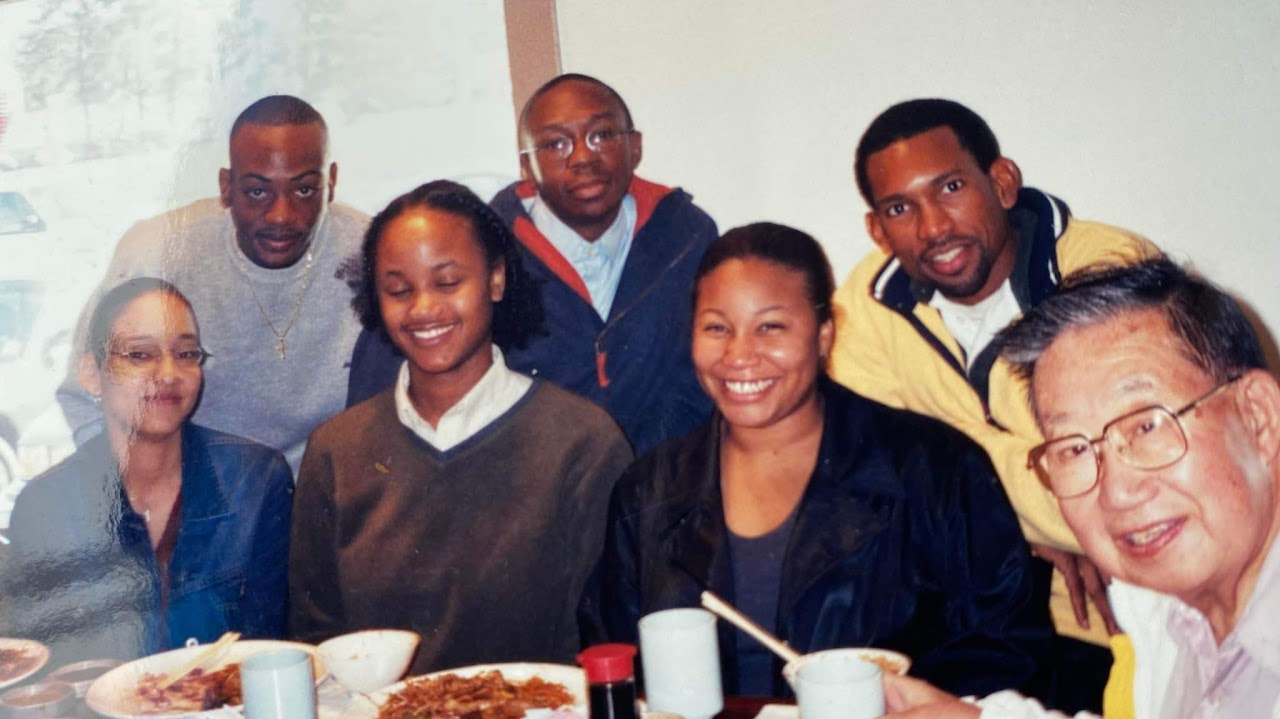
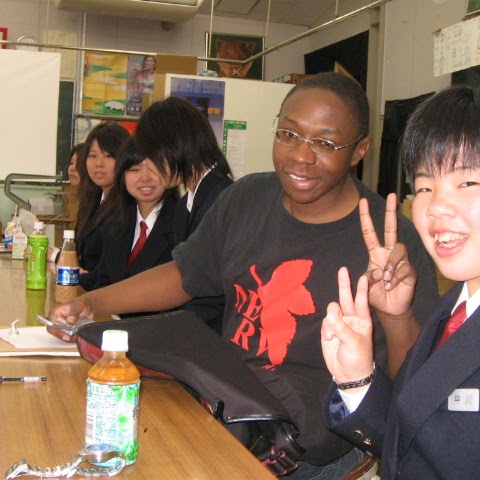
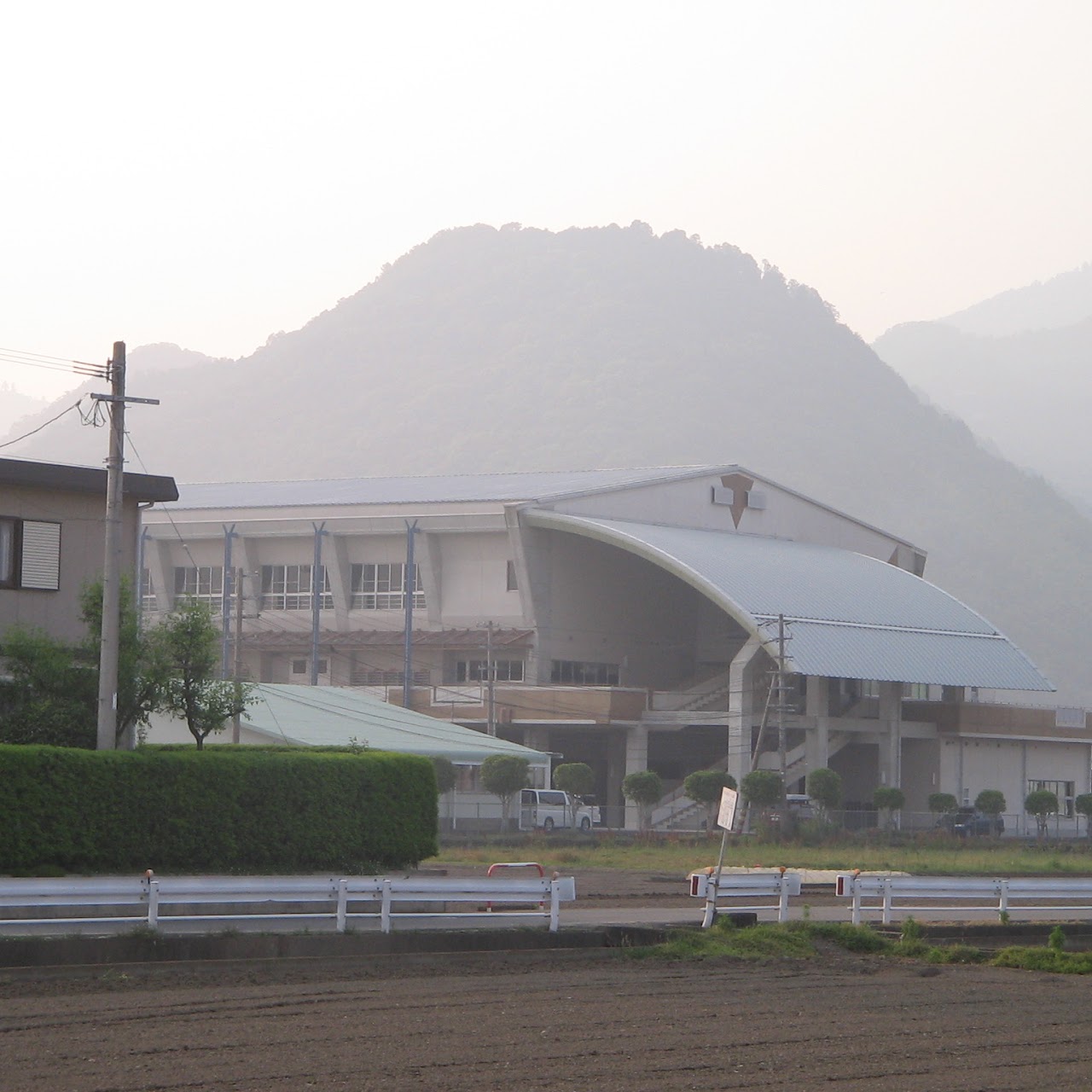
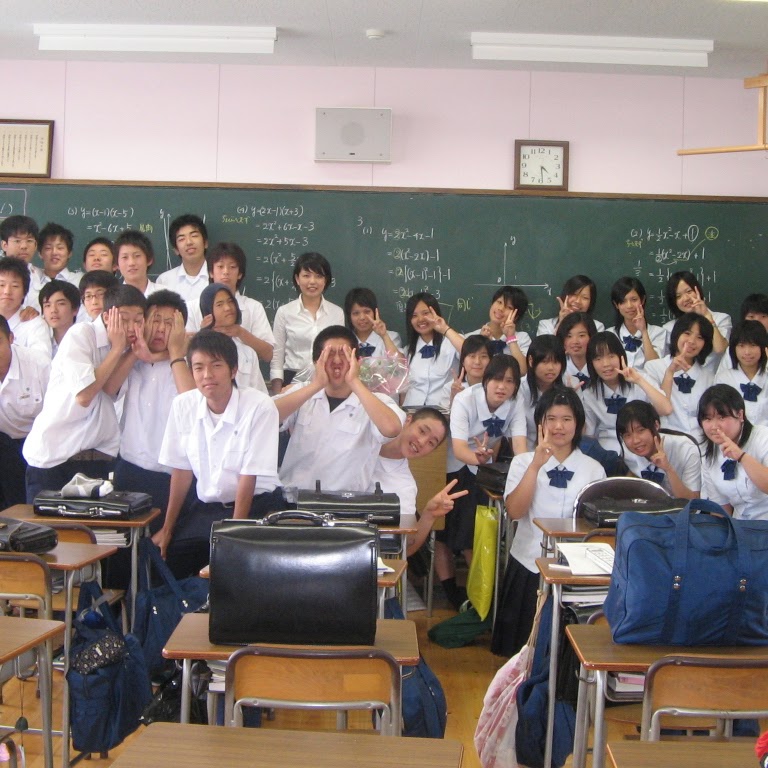
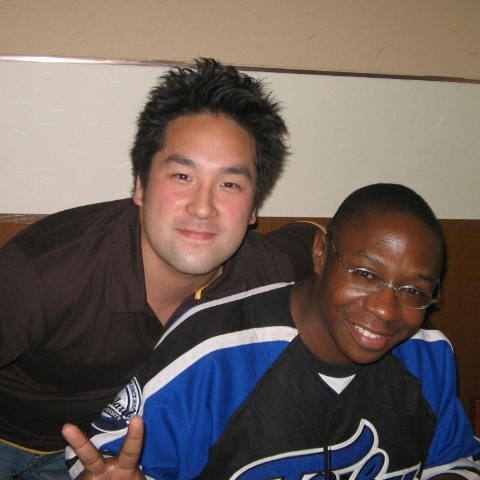
The exhausted student face in the middle is the unlikely hero of this because he is weeks away from committing to his dreams. From the illustrious Japanese restaurant "Shogun" on Veterans Memorial Highway in Metairie, Louisiana, we were invited by Dr. Makato Fujita as his students for our annual winter lunch. It was an experience because my roommate drove and we got to laugh with my classmates. The professor was one of my strongest influences for the JET Programme — but he will be featured in the "True Stories of Japan" section.
The Origin
Growing up a military kid in the 80's was its own unique Gen-X mystery — you never deeply rooted in one place for a long time, or had real ties to anything mainstream when cable TV was something you saw only at installation offices, or where it was provided by AFN access times. More on that later.
I was born in Ft. Worth, Texas at Carswell Air Force Base, son of an immigrant mother and a hard-working father from Motown Detroit City. I remember very little except I had a birthday party with a Big Bird birthday cake before we got orders. My dad came home one day and said, "Japan is next." Yeah, at two I had no real concept of Japan or where this life would take me.
So in 1982, before my third birthday in March, we had spent over 26 hours in transit before landing at Kadena Air Force Base, Okinawa, Japan. I vividly remember the air smelling different.
The reason Japan is so important — in contrast to what was going on anywhere else in the world, especially the United States — is that I was African American in a foreign land learning about the world, walking into school and living with my parents off base in the community. I was getting first-hand experience of living as a global citizen before the term was commonplace in mainstream media. I was always torn between what I was experiencing overseas and not experiencing in the United States.
As a boy, toys were a big thing, and I think being in Japan spoiled me in the early 80's because Japanese toys were in a league of their own. Exposure to the animation, movies, and unique blend of storytelling has been a cornerstone of my life for over 40 years.
Growing Up
Let's get you from the beginning to college. From Okinawa we moved four years to Clark Air Force Base in the Philippines, and I got another culture into my system and fell in love with the diversity and humble moments — learning the comparisons from the Japanese to the Filipino culture. Often I told my parents I wanted to go back to Japan, but my father encouraged me to embrace change. My pattern was missing the familiar until I made new friends that made the transition easier; and by the time I was good, it was time to go again.
This time my dad flipped oceans on me, going from the Pacific to the Atlantic — all the way to Torrejón Air Base, Spain for two years. Same cycle but much shorter; some family urgency and a death cut Europe short, and we resettled into the United States in the beginning of 1991. It was harder than being overseas. The supporting community and understanding of "we're all Americans" had flipped to "well, now you are just here." The academic rigor in classes was definitely not the same, and small-town mindset San Antonio was definitely an adjustment process.
But that was middle school and high school, and I wanted out — so I chose New Orleans for college. My foundational early years had me labeled as the "Outcast" who just didn't understand what it was to be "Normal" or "Just blend in." Those were foreign concepts, since I wasn't extraordinary — just in a different lane.
My heart was missing the Pacific, and in September of 1998 I found out about the JET Programme when my Japanese class sat down in Lawless Chapel at Dillard University. My ears perked up and my soul yearned for my first love affair all over again. It had become my song and a turning point in my life. College was focused on getting to Japan — but, as with all heroes and growth stories, tragedy has to define us. The only difference between a hero and a villain is how they deal with the tragedy that will shape them.
Tragedy Strikes
My mom died November 5th, 1998, my freshman year of college. She had been diagnosed with Stage 2 cancer and begun treatment. The first specialist said she wasn't supposed to see me graduate high school, but we're stubborn in my family and walk on faith — she made it. The years and rounds of chemo had been her struggle for many years on top of raising a rebellious teenager who was lashing out to mask his pain, his brother, and a father who was her partner who felt burned and burdened for trying to keep it all together.
I will never regret the decision of my undergrad choice. The community embraced me and rallied around me. The president of the university had his personal driver rush me to the airport after he heard the news from my professors. I will be forever grateful.
At 19, I was an add-on photographer for the university newspaper and had just finished a photo shoot of construction on campus, took shots at a basketball game, and signed up for the annual fall festival when this news really crushed me. I knew her time was coming and the cancer kept coming back.
The last conversation with my mom was: "Don't rush to start a family, take your time and enjoy life as much as you can. Keep being yourself and showing up for your father and baby brother. I raised you with faith — lean on God, and work on your temper. You and your father are the same person when you get upset. Give each other grace, please. Know I will always love you and be in your heart." I spent that time discussing Lauryn Hill, hip-hop, why I didn't like my roommate at the time, why New Orleans was weird, why there was no good Mexican food anywhere around, and complaining I didn't like seafood — which put me as an outcast again.
A week and a half later she was gone. I never realized my father had flown me back to San Antonio for her birthday to say goodbye. I wasn't by her side when the news came, and I held onto a deep shame and guilt for years. The Outcast embraced the stigma and lashed out at times, and kept to himself for the rest of the school year. Considered dropping out — but Japan was the North Star.
Tragedy Again? Or Opportunity…
With that snippet of freshman year, the rest of college was growing pains — learning and embracing my own culture that wasn't relevant because of living in such a tight military community without the challenges of normal American life, into fully embracing globalism and wanting to leave a legacy behind. The redemption arc began after having several disagreements in class about the future of African American global socioeconomics versus politics and mobility, which labeled me the "Intellectual Revolutionary Outcast" — but I became a beacon for others who were misunderstood or didn't follow the herd of narrow-minded oneness.
I didn't like the concept of the collective. Getting married and being locked into a 9-to-5 corporate grind for 30 years was the most horrifying intellectual prison I couldn't accept. To graduate from college I needed 120 volunteer community-service hours. I was sent to the education professor who needed a teaching assistant to teach basic computer skills, as well as how to be successful as a college student. It was an opportunity that changed my life — I began to remember enjoying being a student, then I was elated to see the growth and potential of children younger than me use skills I taught them. It set a fire in my soul. I could see light at the end of a tunnel escaping the corporate hellscape I didn't want to jump into.
So back on the JET Programme train. I kept working at it, volunteering for events, coordinating the club on campus once I was elected president, networking with the local Japan Society of New Orleans. It became an identity, and I ran with it — but challenges always popped up. My father and I were estranged until I started my second senior year after changing my major. He said I was wasting loan money and should just join the Air Force. I told him if I was kicked out of college then I would go that way.
When I graduated, things turned around for a moment. I wasn't ready to leave New Orleans. I had failed to join the program for two years now and was torn between giving up on the dream and joining an alternative-certification program to teach in Texas. I decided to wait it out. Then I started working for nonprofits and ended up becoming a computer tech, which was ironic because I was in trouble.
Earlier that year in March I got an email saying: "You have been selected as an Alternate for the JET Program. Please be advised that this is not a guarantee of placement, but stay tuned." I celebrated that day and smiled for the first time in a long time.
Well, that summer at work my disposition had shifted back to survival mode. I was barely making ends meet, my car had ruptured — transmission was dead and engine flooded — I was walking and on the bus to get to work. I had nothing going and was throwing grit and determination at the problem. That day at work I had failed to deliver on an Excel billing sheet and was getting reamed by the owner — then the phone rang. The secretary got on the intercom: "Jovan, you have a call holding from the Embassy of Japan." I excused myself and ran to the other office, and overwhelmed with joy was accepting the alternate placement. The tone shifted with my boss, and he said, "Just get the program done before you leave. I am giving you a week."
I don't care if the cloud is dark — I see silver linings.
August 2005
Keep in mind, tragedy was three weeks away. I got my interview in June; the phone call came in mid-July. I had until August 10th to get my affairs in order and move out of my apartment. My dad got me a camera, my uncle sent me $75, my church mom gave me $100 bucks, then my dad came and got my stuff from my apartment. I donated my college wardrobe because I only had two good duffel bags, not suitcases. I was a mess — but the smile and change in momentum, you couldn't tell that I was financially on my last legs and not ready. To be honest, I haven't been ready for anything in my life, but I always make the best of the situation.
To be fair, most new JETs had already heard from their predecessors, knew what the school looked like, received lesson plans, and got information about their neighborhoods. I got nothing. The guy before me was a stumbling drunk who somehow lucked out into medical school and quit his contract just before the cutoff, leaving his soon-to-be my school in a lurch. I didn't know the name of the school, never heard of the prefecture or city, and had no idea what the community was historically. I made a bunch of rushed decisions with no support to lean on, but I rushed into the unknown.
My dad had said, "When's the flight leave?" I told him the 15th, and his response was, "Good — there's a nasty storm out in the Caribbean right now. I don't like it." I thanked him for his concern, enjoyed my last dinner party with friends, and the next day attended the going-away ceremony with the Consulate General of Japan's staff at the house in New Orleans.
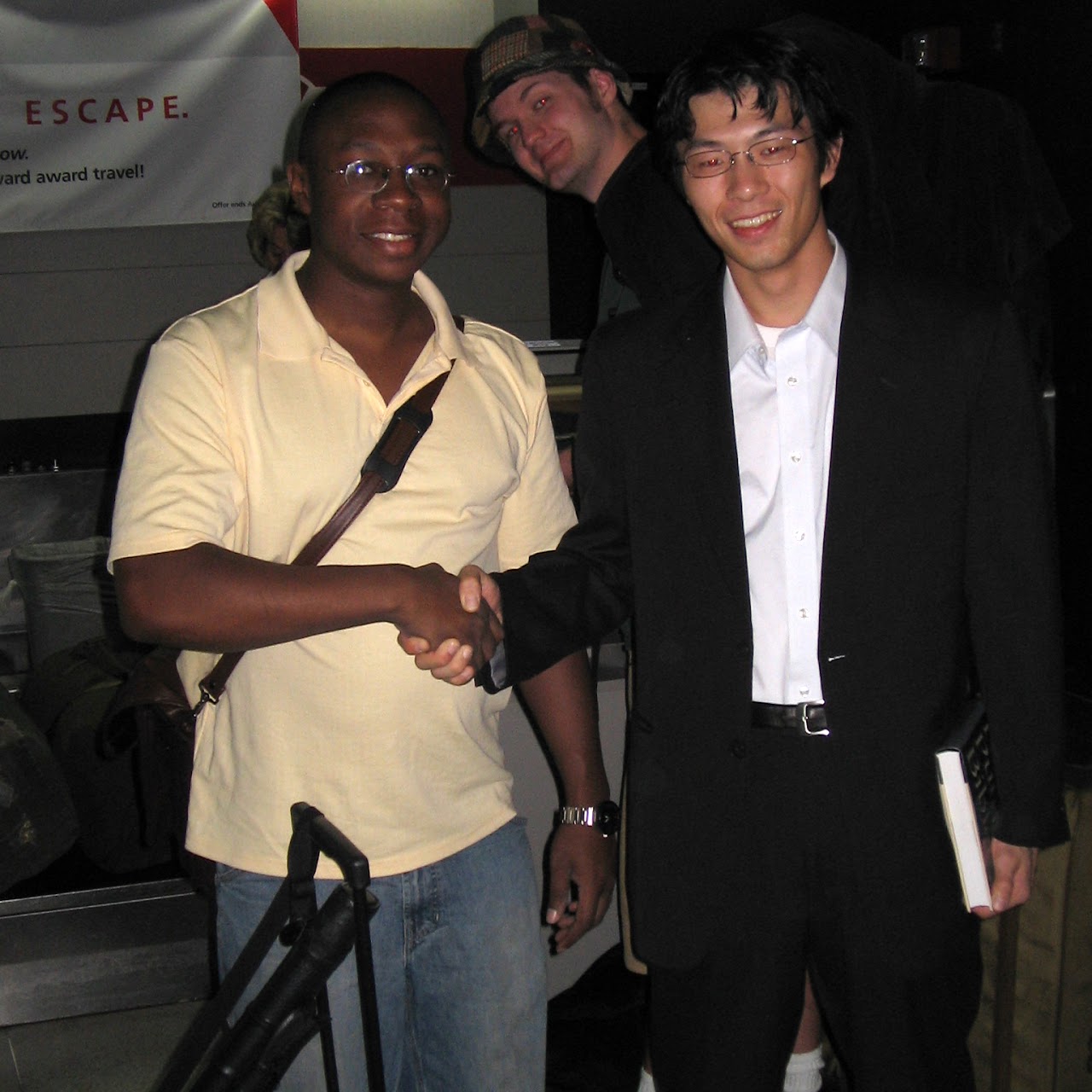
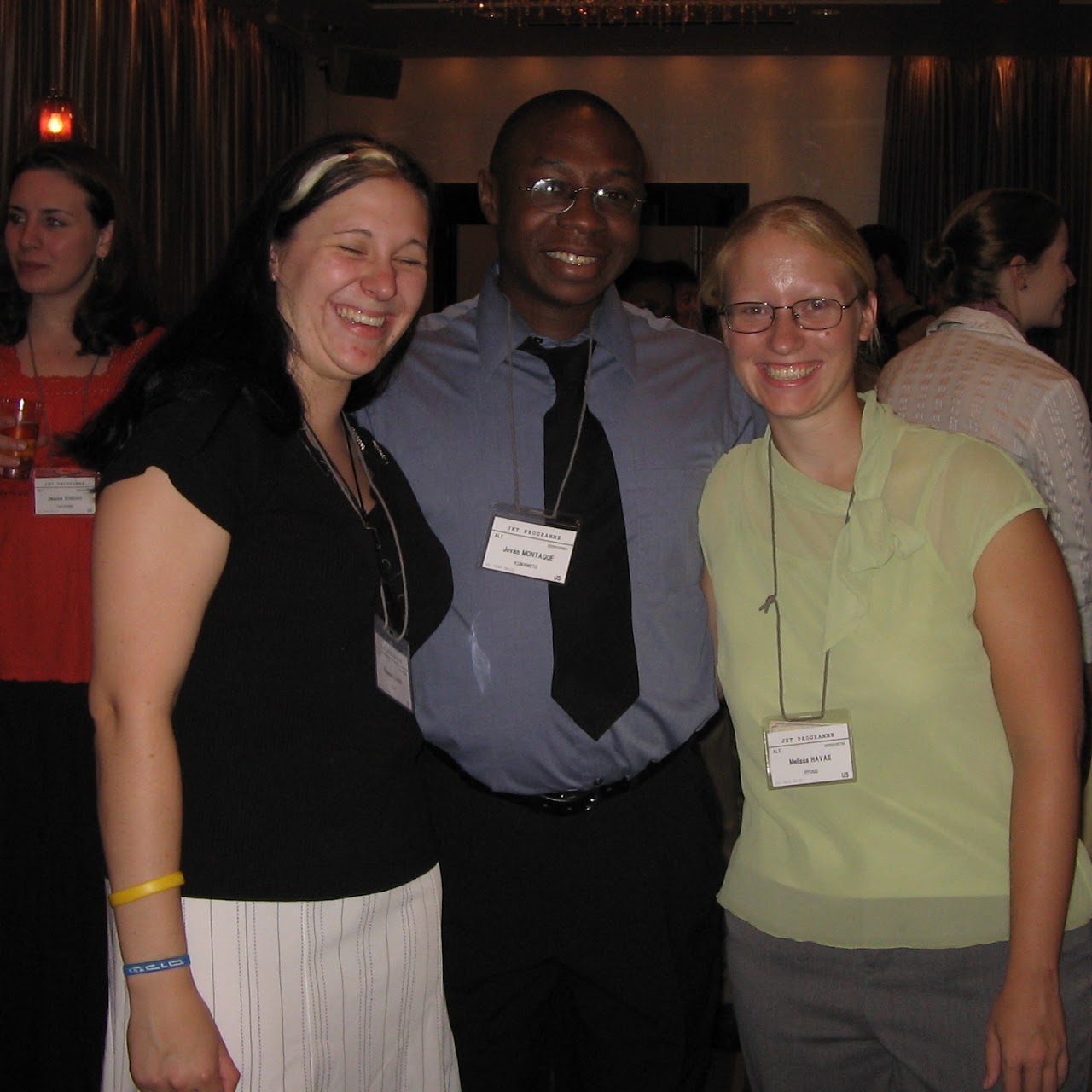
I got to Tokyo, completing a dream that took seven years, and nothing could break my smile. It felt like a movie being filmed live, while I was unscripted and could care less about what challenges were ahead. To keep it in perspective, I was an alternate — not a first-round pick — we didn't get the full fanfare of the A group; I was perfectly fine being C group. Even though I am a solid introvert who enjoys his peace, being a military kid you learn to make friends in new situations and find new adventures. Ask me about the legend of "Idaho" if you ever catch me in person one day.
Little did I know the storm my father was worried about was heading closer to New Orleans, and would forever change the course of history for the southern United States.
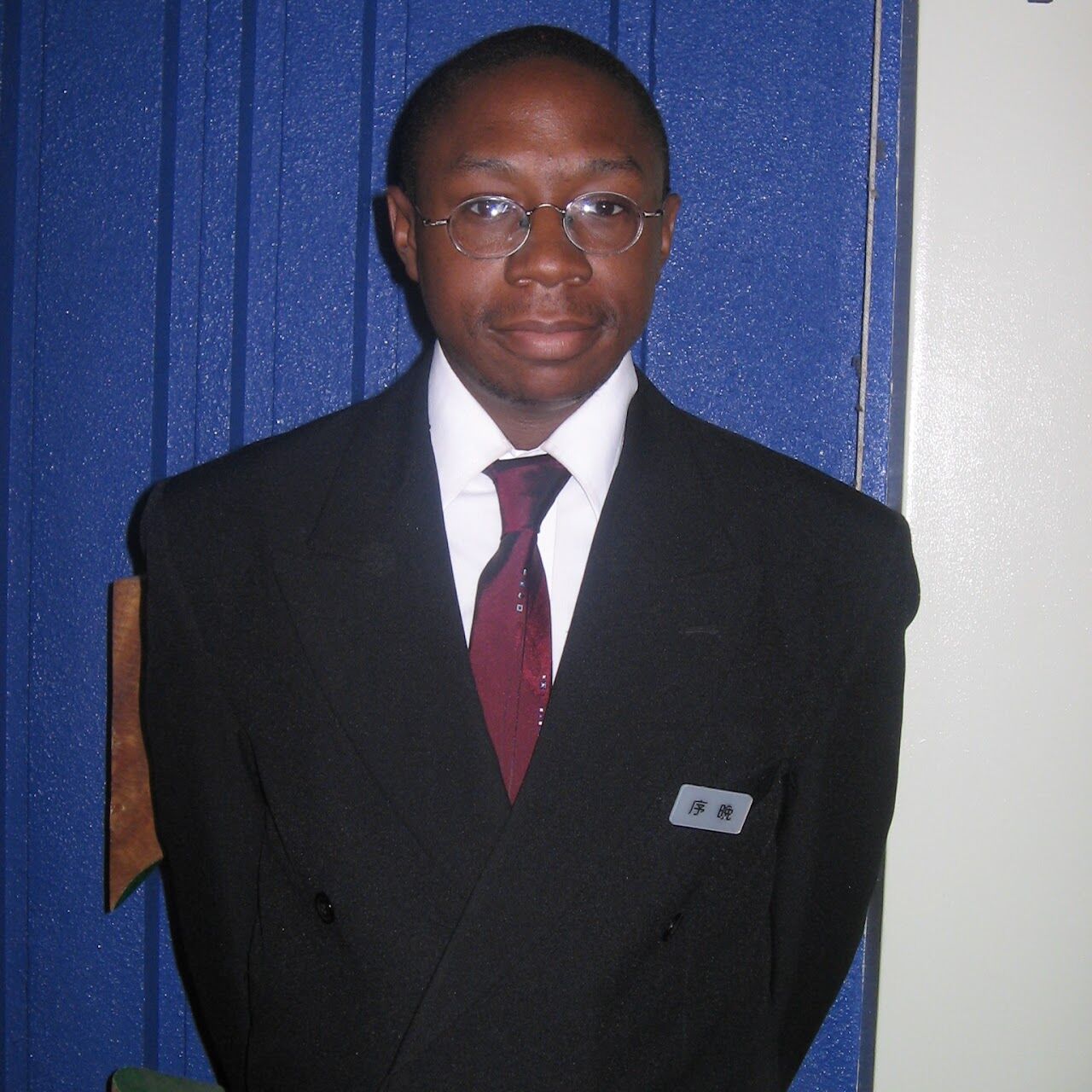
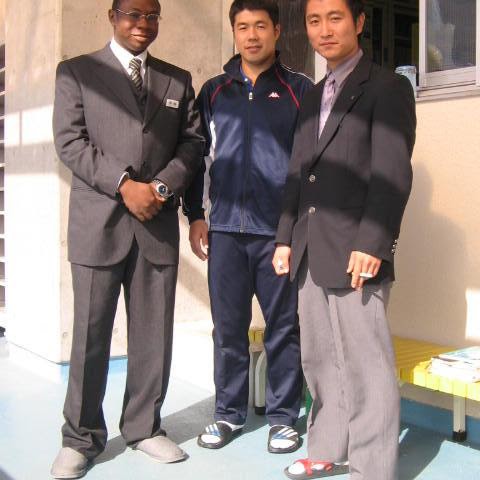
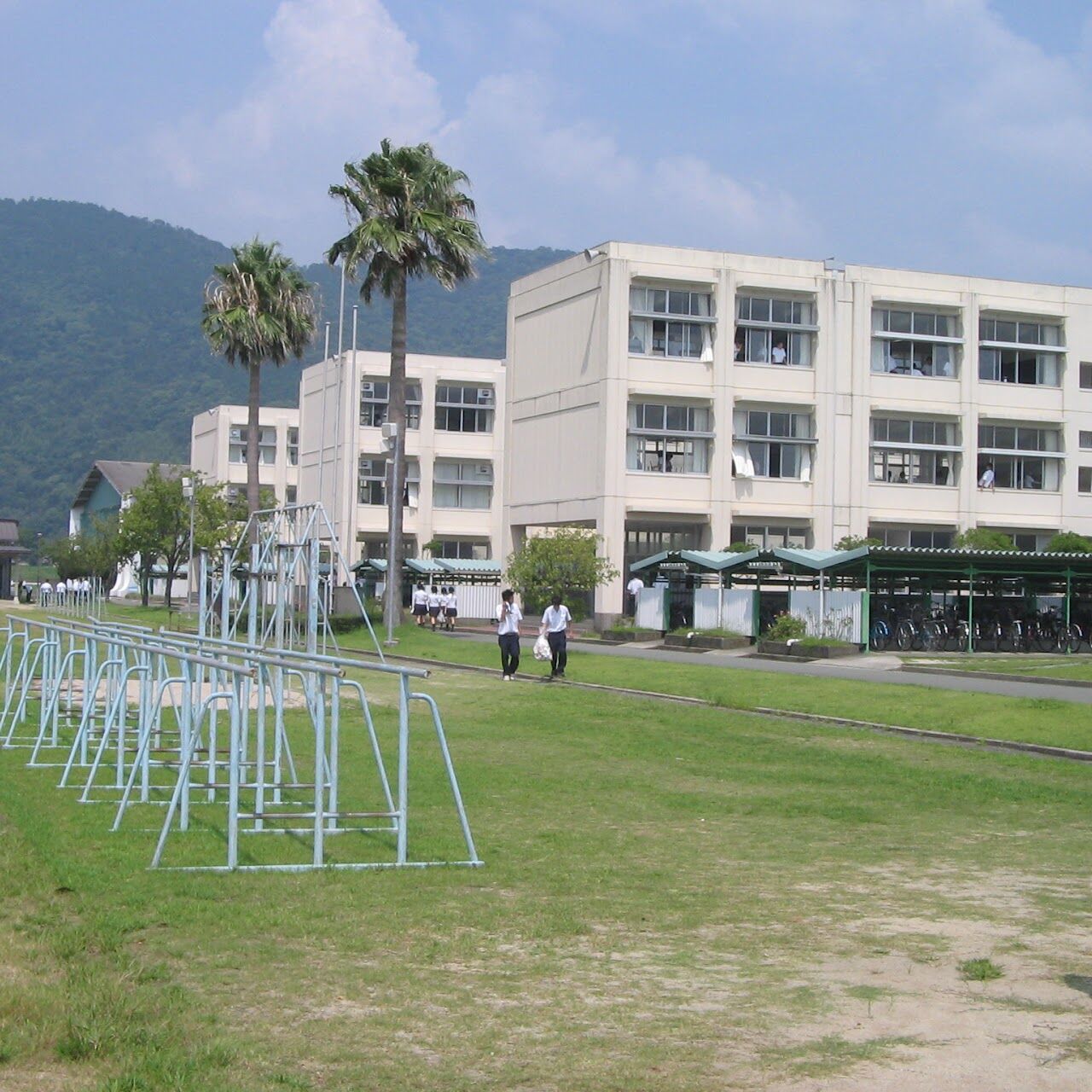
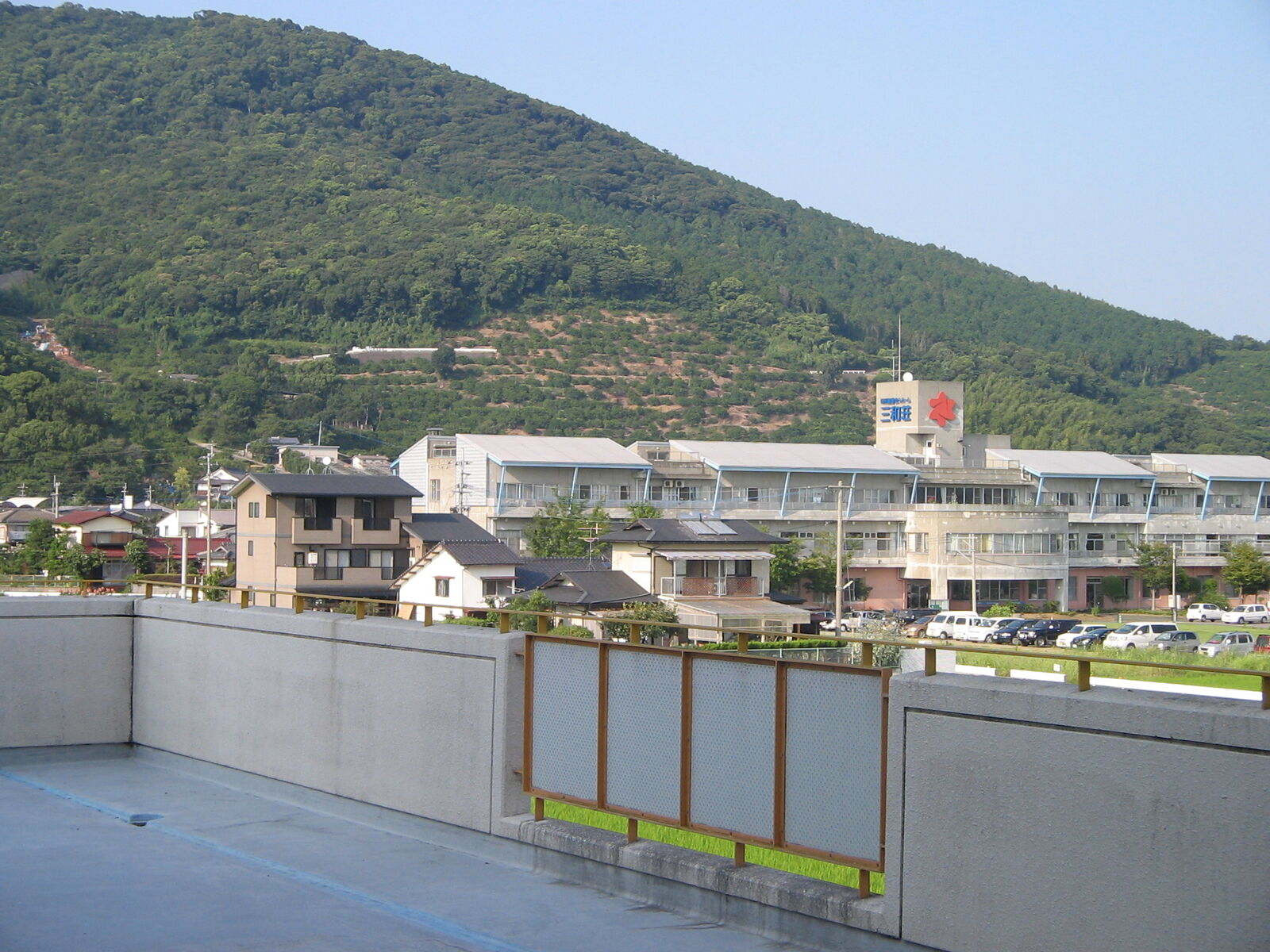
After four days in Tokyo, my quartet was partnered with our representative from the Kumamoto Kencho (think school-district government office). We took a bus to the airport, loaded onto a plane at Haneda, and two hours later landed in my new hometown. I didn't know the place would grow on me so fast. I got introduced to my landlady — who didn't speak English, but her daughters did. I went from a 600-square-foot one-bedroom in New Orleans to a 240-square-foot one-bedroom in Japan. There was a literal mountain between my apartment and the school where I would work. I was told up front that, because of the drunk predecessor, I wasn't allowed to get a car; apparently he had evaded criminal charges for multiple DUIs in Japan.
My first weekend was spent getting a bicycle. I had no money, so it was a cheap used bike that wasn't really built for me. Walking and riding the bus in New Orleans didn't prepare me for riding my bike almost eight miles to work one way, either. In the blistering August sun I made it work — lost a lot of weight, built great legs, and began adjusting to the reality of my dream.
Tragedy Hits Home, but I'm in Japan Dad…
My dad called the day Hurricane Katrina hit New Orleans — frantically, panic in his voice. "Hey, where are you right now?" I was half asleep. "Dad, Japan, what's up?" "New Orleans —" he trailed off. "I am just glad you are safe." "What are you talking about? Are you okay?" "Just watch the news." "Alright, after I get out of the shower. Are you good?" "Yeah, me and your brother are good. We're proud of you. Get off this international call, have a great day." "Alright Dad, love you." "Love you too."

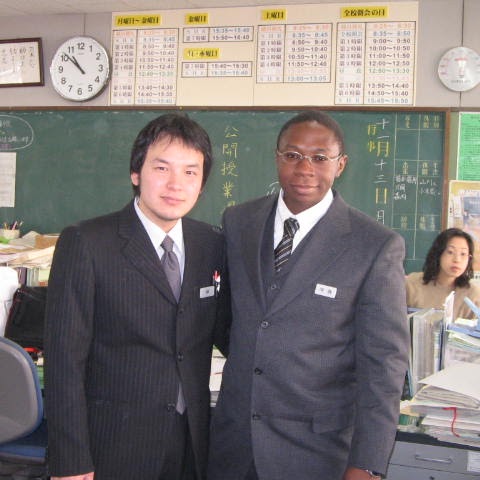
After showering, getting dressed, and beginning the bike ride, the concern in my father's voice faded. I passed the train station, saw all the thrift stores, wondered what the kanji and katakana meant for some places, stopped into the local grocery store, got my French bread breakfast and descended down the mountain to school. So two weeks in, I see the principal as I pass the gates into the school and the giant country man looks worried and panicked. "Sensei, come here," in Japanese — and I quickly parked and rushed into the building.
All of the TVs on the news were playing footage from New Orleans. Even though it was in Japanese, I recognized the Crescent City Connection, I-10 cutting from New Orleans East all the way through the city — underwater. Flooded. Devastated. My supervisor "Totansa" tells me in English to pick up the phone on my principal's desk and call my family. I called the woman who is now my wife, only to hear "due to federal emergency this line is disconnected. Please try your call again at a later date." Over and over I heard this message. I called my best friend, my fraternity brothers, and everyone I could think of.
God had allowed my family again to dodge tragedy by weeks. I was devastated thinking of my old neighbors, their kids, and the city I had finally fallen in love with. Here I was — five thousand miles away, safe, in a language I didn't speak well enough, couldn't read at all — going through the growing pains of trying to manage emotions and nerves while becoming a teacher. I had sunk into a deep depression and masked it. I put off the worry the best way I could. I wish I would have reached out for more help in hindsight.
Going home that day was so far out of whack for me, I actually cried most of the way home. Once I got into my apartment I felt safe in Japan, and grateful for it. The friends I made in Tokyo I wouldn't see until October after my birthday — but it was a saving grace to reconnect with those that would be my tribe for my time in Japan. Little did I know we would become lifelong friends.
What is this magical thing called "Kobe Beef"?
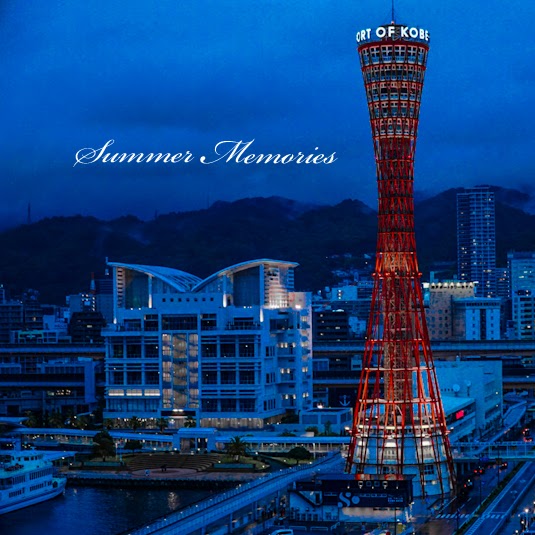
First off, I thought I was already living in a postmodern Japanese futuristic town called Kumamoto — which had its own freaking castle, three rivers going through the city, a massive transit-hub train station a 10-minute walk from my house, and countless cultural gems all over the city. Then I get on the bus from Kansai International Airport with all the other JETs and we head into town: Kobe was literally the place I saw on the news in high school that just had a massive earthquake in 1995.
It was 2005 and the city was magnificent. As if my dreams of modern Japan was a hybrid of old culture washed in neon lights and smelled like fresh ocean air, it captivated my senses. The sunset on the bus was magical — too bad my camera, gifted from my dad, couldn't do it justice.
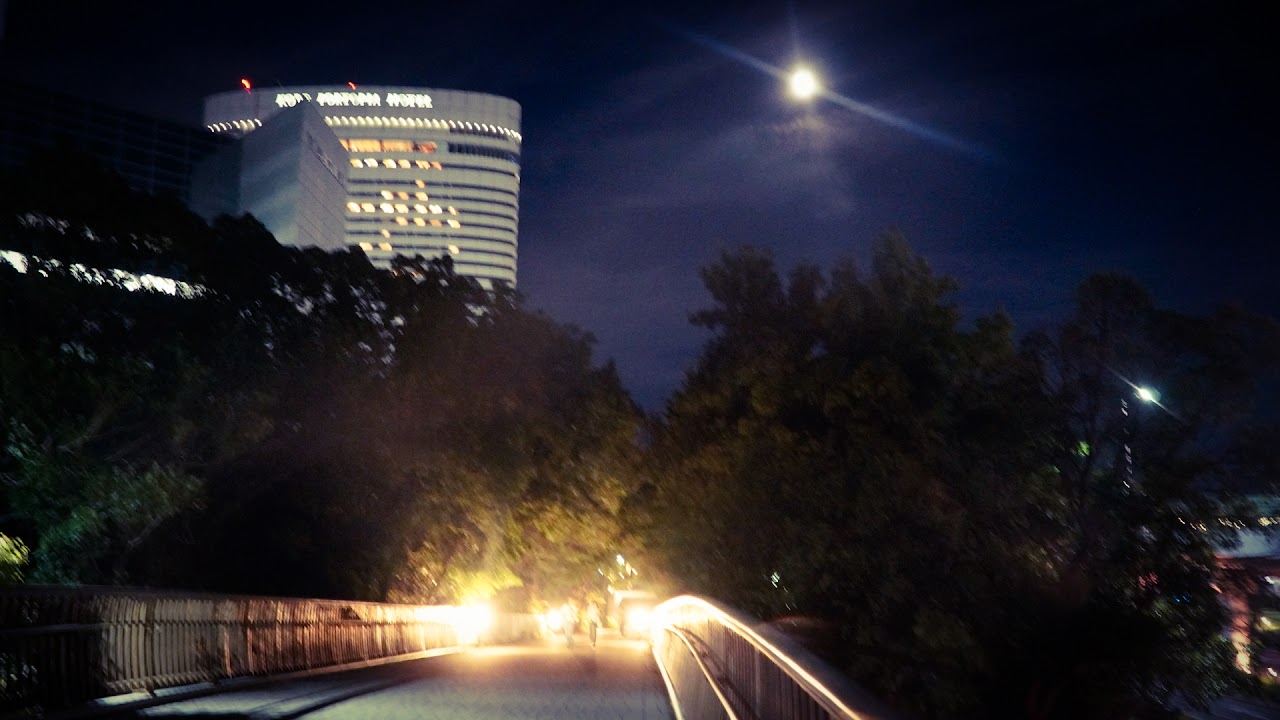
The hotel for our conference was the Portopia Hotel, which was lavish. Remember, growing up military-enlisted poor and never seeing luxury — this place felt like a palace. From the purple carpets, the see-through crystal piano, the striking interior design and the air of brilliance in the room, I was overwhelmed. I just had to take a minute to take it in: this could become my future life, and I loved the thrill of it becoming permanent. Take in for a minute a kid who grew up on military bases and had never been in a building with more than three or four stories. Every new city in Japan was this tapestry of modern and ancient wrestling for the future. Experiences that blew my mind included the monorail on the second floor that took you into the city — something I could never experience in Texas.
Heros along the way…
Let's talk about Potatoes… Idaho
Keeping my promise — let's jump into the friends I had made so far on the Japan journey through life: Colorado Becca, Indiana Jay, Kiwi Jon, and the polyglot Idaho. Idaho at the time was a lumbering soft-spoken soul with a deep voice that hit like a freight train. You don't expect it, but he was an introvert hiding behind a 6'5" frame in a hoodie standing in Tokyo not talking to anyone. We connected over jokes about getting out of the hotel and seeing the town.
I started off going to dinner with two vegetarians and it didn't end well, so I walked back to the hotel and ran into Idaho who was chilling in the lobby by himself, staring outside like a kid who was told to stay close and not wander off. I asked him how he was doing and if he wanted to go bar-hop with me since I missed the crowd. He reluctantly agreed and the adventure was off.
We talked about why we were on JET and what life had in store for us. I said, "New Orleans was great for college, but there was no opportunity for me there. I felt stifled and placed in a box. I was a business major and didn't have the connections to get it rolling in Louisiana. Japan is a fresh start, and I have dreamed of being back for a lot of my younger years." Idaho smiled and said something in German, and I was shocked as he switched to Spanish, then French, and finally: "Jay, I am walking around with seven languages under my belt, and I went through college single. I am hoping to find what I have been missing."
We walked around Shinjuku and found a hip-hop lounge / hybrid bar. The door guy gave me dap, and I was impressed; he knew I wasn't expecting it. "I lived in Los Angeles for six years — welcome brother!" Alright — Japan has some down-to-earth people. The lounge had a dance floor in the corner and people at the bar. There was a woman at the bar taking sarcastic one-liners at people in the corner in different languages. I ignored her, but Idaho didn't. I found a seat at the bar, ordered a drink, and enjoyed the music. Idaho and the woman kept tossing shots at each other, and naturally I told him to scoot down the bar and handle his business. They had traded jabs in Japanese, German, Spanish, French, and a few other languages as the evening was winding down.
When 2 AM hit, I asked him if he was ready to crawl back to the hotel; he promptly said, "I'm good. I'll see you later on." So without stepping on toes I jetted back to the hotel, quietly crawled into bed — my roommate wasn't back yet. So I closed my eyes and was impressed that Idaho went from nervous to holding his own.
At Breakfast… Yeah, about last night…
The Keio Plaza is a top-notch hotel by international standards, and navigating it was a challenge — but when I found the buffet, I didn't see Idaho anywhere. Even his roommate I met said, "He didn't come in last night, his stuff is still here." I told the roommate he met a woman at the lounge, and his roommate was stumped. So we ate, traded stories about landing in Japan and the never-ending bus ride from Narita to the hotel.
Someone said, "I need a smoke before we sit for three hours, meet you all outside." I don't smoke, but wouldn't mind seeing the front of the hotel in daylight, and walked outside. Seeing a cab pull up, we were all shocked to see Idaho and the woman from the lounge sharing a cab. He gets out: "Morning gents — came to get my clothes, I'll see you in the afternoon session." We didn't get a chance to get a word in. Our jaws were on the ground in a celebratory silence. That was the last time I would see him until Kobe at the re-contracting conference.
Kobe — looking for Mr. Potato…
After the opening ceremony I realized everyone from southern Japan — Ehime, Kansai, down to Okinawa, including me — were in the building. I was stoked. I had just got my internet at the apartment set up, my cellphone was empty, and I was looking for my crew. So I saw my group from Kumamoto at our tables, and I saw Becca and a few others — but no Idaho. So once we were released, I was working the room asking people if they knew him or had seen him. One guy said, "He's not a potato anymore, mate — someone dragged him to the gym and got him sculpted!"
Everyone from his prefecture had the same or similar story about his weight-loss journey, and he was sporting some fancy engagement ring. After an hour of meeting other JETs and enjoying the evening, I bumped into him coming from outside. "Idaho!" He turned around, "Jay!" — and we hugged. Laughed for a minute, and then I took it in: he was cut, like dropped the beer gut, shaved his beard, his suit was cut to fit his frame, and his confidence could light up the evening. "What happened, man? You look great!" Then he showed me the ring: "I'm engaged to the lady from Tokyo!"
"She has a friend who is a former rugby player who is a personal trainer — opened a gym in my area. He started showing up at my door at 6 AM saying, 'It's time to die and be reborn a new man.' He literally dragged me out of bed and I went running with him. I was dying for the first couple of weeks. I couldn't keep up. Then I started getting up earlier to sneak out — he was waiting for me. On weekends we went to the gym. That became the routine."
With that, Idaho got into another cab and that was the last time I saw him. A once-in-a-lifetime moment that became a memory of inspiration. Japan was a learning experience. Kobe is a magical place. I came back in 2006 to connect with my Japanese friend from college. Every time I go to Kobe I think of my first time — Indiana Jay and I had Kobe beef together for the first time, walked through the seemingly endless arcades (open-air malls), and enjoyed the journey.
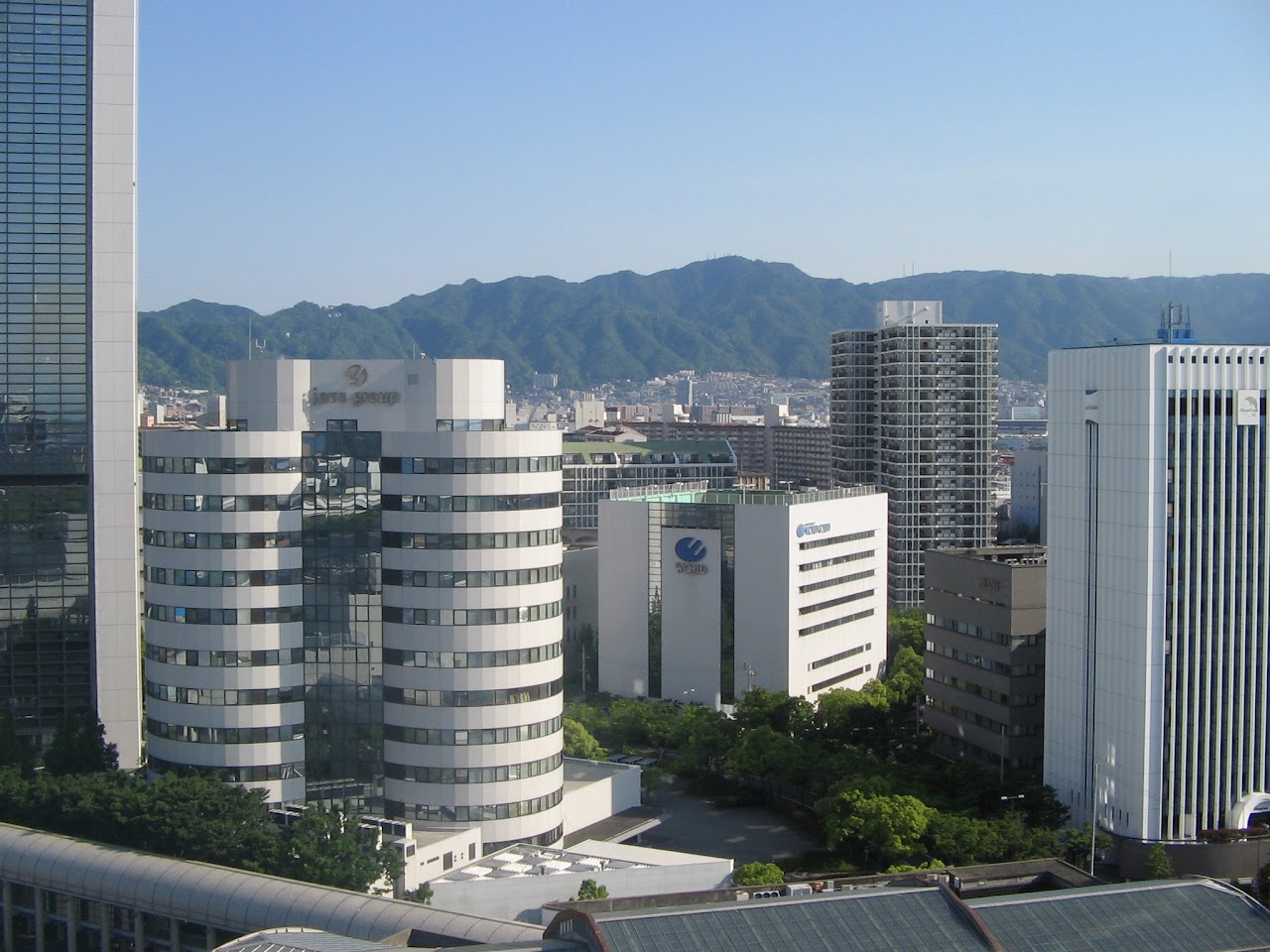
The city of Kobe has something for everyone, with a rich vibrant tapestry of culture, history, views, nature, and tall buildings all woven in together that is just breathtaking. The big thing I realized about Japan from being in Kobe is that every station is a community hub, designed to be a one-stop shop. Sannomiya Station is no exception — live music events, a movie theater, tons of restaurants, walking distance to a bus terminal, monorail, a mall inside itself, access to the subway, and then walking distance to Sannomiya Center Gai shopping arcade. My favorite part of the mall is an indoor park with open air, so I can enjoy the world but be in a quiet corner from it. I watched it rain here, I watched sunsets here, and loved the breeze coming down from the mountains. This mall is unmatched in my soul.
I loved the coaches more than the English teachers (a common theme)…
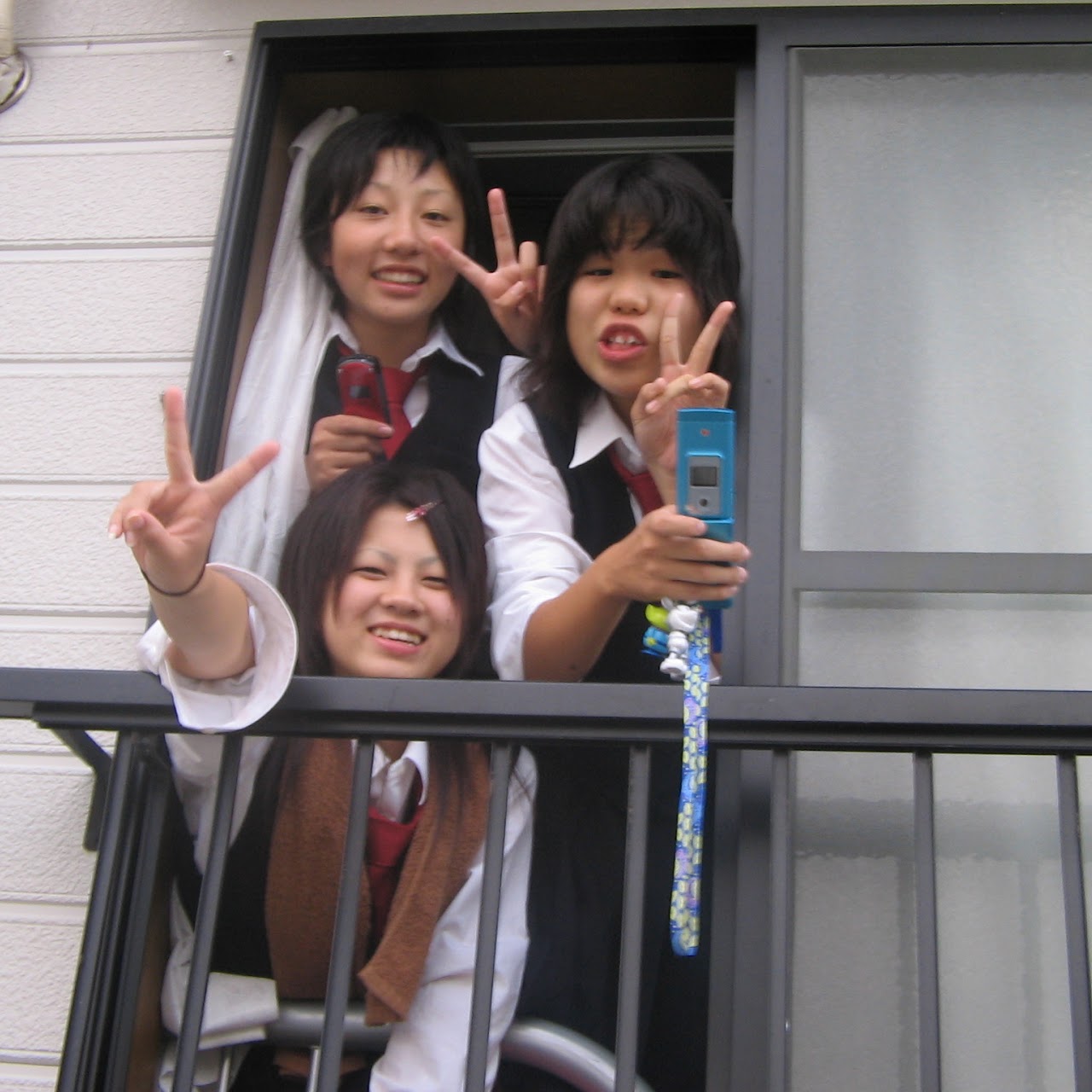
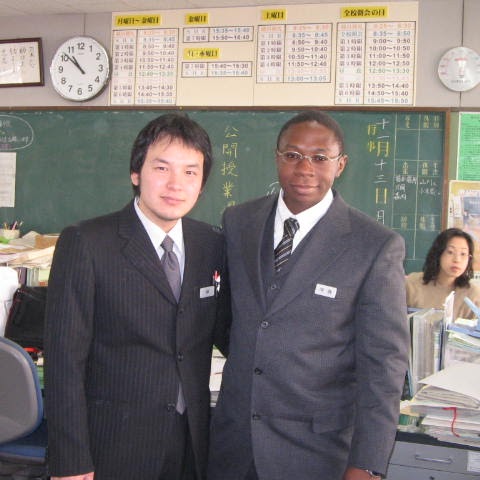
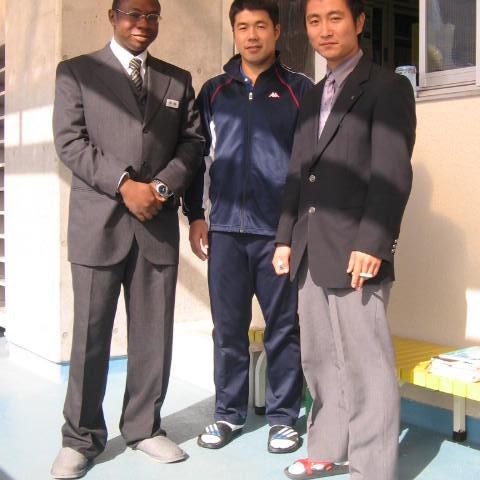
I prefer blunt and kind people, and the athletic coaches were my people. I found that I enjoyed teaching and connecting with the kids. Learning the moments shared would transcend my career. Listening and being open to hopes and dreams. Laughing over music clashes, bad haircuts, and what did Americans really eat versus South Texas or New Orleans cuisine. Too bad I couldn't cook back then or I would have made them all tacos.
However, the coaches were my heroes. One day I lost the key to my bike and was walking, and Naruse-sensei (kendo coach) gave me a ride home, then picked me up the next morning. Or when Kawasaki-sensei took me from a judo tournament to get speed ramen at a down-to-earth shop in Fukuoka out by the docks. I enjoy the martial arts, so I split time between kendo and judo, some off-days with the rugby guys, and the music club somewhat. My mandatory days were with the English Club — my babies through and through, and we all had fun.
Back to Reality…
All good things must end… but does it ever heal in your soul?
JET wasn't JET to me in my second year. The learning curve was steep; in some ways I hadn't matured fast enough to embrace Japanese ways of doing business. Confrontations weren't handled well on both sides, and I made some mistakes. Life was lifing toward the end — it was stay in Japan on a real Japanese teacher's salary, consider an assistant manager's salary at the mall or fast food, with all the hang-ups of being an educator on top of it, in 2007 Japanese economy. Hint is: run, all the way home.
I went job-searching in Tokyo and a buddy suggested getting an apartment in Yokohama or Tokyo if I could find a job at one of the English-school engines (yes, I said the quiet part out loud). By this time, early 2007, I had seen Kumamoto City and its countryside, Oita, Kobe, Osaka, and some Tokyo. Hitoyoshi and a few others — and life was good outside of work. At work I was done, checked out. Education was my early career calling, and not in Japan was the answer. I decided after several failed attempts at finding a job — including being mistaken for a blond-haired blue-eyed European — I was frankly done with the corporate life of Japan I didn't want to entertain or embrace anymore. I came home.
Falling from Grace…
My main mistake was missing the New Year opening ceremony at work. Then disagreeing with meetings being all in Japanese for my English Department. Next was the writing on the wall of how I wasn't accepting being frozen out. It was fine — I just looked forward to being home.
Fast-forward to getting off the plane: my dad was proud of me, not disappointed, and my mother's house was gone. He had fallen into foreclosure behind his new wife (and they were divorced but still friends), and I was bitter because my early life was packed away in a storage unit. My brother had moved out under duress, and my dad wasn't himself. I had finally come full circle about letting go of what I didn't have anymore. My mother's house had a new family in it, I didn't get to pack up my room for the last move, and my brother was gone. A house with a family isn't a home, and I had become whole in that thought — everywhere I lived I needed to make my own.
Living with my dad again was a whole new struggle — him dating, and myself having to disappear for hours at a time, was a challenge. I worked fast food up the street from the apartment because I didn't have the money for a car, and then started my alternative teaching-certification program. Kind souls along the way helped me with fees and test materials, and within a year it started to come together. Living the charmed life in Japan felt worse than a slap in the face realizing I was sleeping on a couch in my dad's apartment, and it was going to take time to get out on my own.
Teaching in English?
Not cracked up to the romance of the JET Programme. To be honest, I felt lied to — like you find a new used car and it looks great on the outside, but once you drive it for a while you embrace its full personality with all the bad decisions that got you here. Yes, that feeling. Being an American in Japan versus being me in a school on the south side of home was two different universes. Cultural issues, personal growth, challenges — especially being disillusioned, I turned Japan into a fond memory I would never see again.
In 2008 I met a young lady who dreamed harder of Japan than I ever did. She was the top student in the Japanese program, played basketball, and was growing into her own vision. I told her about the JET Programme and she was sold — no questions asked. She knew college was the first step, and I found out in 2016 she had left for Kumamoto! Not in the city though. Life was amazing. I felt an immense sense of pride, and the window cracked open on Japan. Especially since when I got married, I wanted to take my wife there.
So let's rewind a bit. In 2012 I started teaching in Austin, TX — yes, living in San Antonio and driving 90 minutes one way for five years. I found some hope. I found other young professionals that were drowning in the cycle of teaching without hope for retirement, and I got the lightning bolt from a child: own your dream, or just shut up about Japan. No one wants to hear it anymore.
To be fair, I was teaching at an inner-city Title 1 school that felt more like a manufactured prison than a home in a loving community. I had to truly grow into this school and embrace the souls that became legends of the education community. I made new friends and I became the champion that my students needed. I had to rebuild my teacher's toolbox, and as well tell a new story for my life.
A young lady came into my room that Thursday morning grumbling and she let me have it — both barrels, no apologies, and sure as hell in all brutal honesty: "M! Stop it. This is the Barrio. We live in a slum village on the south side. Most of us have never been on a plane, or left Texas. It's not fair for us to look at your pictures and watch videos of your life from before. Do something with Japan, or go to the other schools." Her words had more color and foul language, but you get it, right?
I went home bothered, and really dwelled upon it for a month. I was going through the motions, and all at once the lights came on in a frenzy. I cooked up a new tag line for my classroom — mind you, middle school — "We Build Dreams Here." The kids were like, "Whatever, you hate us and you'll be gone next year, just like the other ones." If you haven't heard of "Capturing Kids' Hearts," then buckle up for the ride. I had to meet them where they were and lift them up.
My birthday was around the corner, so I stopped by Krispy Kreme and bought enough donuts for all of my kids to celebrate my day with me. The faces were amazing that day, the light in the room, and all the wonder that came with it. The same young lady came up to me: "What is up with you? I haven't seen you smile in a long time." I told her, "You were right. Thank you for your feedback. Now it's my turn to believe in you." She started tearing up, I started tearing up — and she composed herself: "No tears today." We had finally turned the corner, but it was going to be a beast of hurdles to overcome.
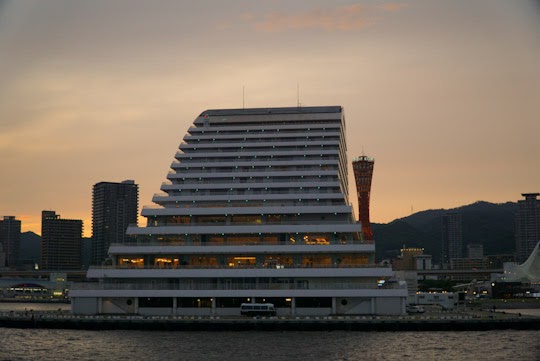
Is that a spaceship hotel — or a cruise ship — in Japan?
I had launched my signature lesson plan: "Dream Vacation." She had found my special place in the world, and it was called Kobe. Her first choice of hotels was the Kobe Meriken Park Oriental Hotel. I had seen this place from the bus in 2006 and never knew its name. I promised her when I got the business together I would take pictures there and post them online.
I got to explore from the eyes of my students — what they valued and were curious about the world outside of Dove Springs in Southeast Austin, TX. It was a microcosm of socioeconomic, closed-minded community. It's like that world was an afterthought when you don't want to face the uncomfortable truth. As I spent time helping them build their research and critical-thinking skills, the narrative shifted to me listening to dreams they didn't originally have the ability to express. I believed in them and became the listening ear and guiding heart they needed.
However, this fostered a deep yearning for going back to a simpler time in Japan, and memories that were yearning to boil to the surface. Everyone has a moment — whether it is a vacation, trip, or just an experience — that lets them leave their mark on the universe, or the reverse, where the universe marks that soul.
The time in this school made life more than interesting; it was a movie I starred in as the director, but also as the background cast. The thought process allowed me to take better photos when I traveled. Instead of technical shots that were avoid of life or moments, I got in touch with learning how to let people find their own thousand words to explain a moment in time. So the spaceships and giant glass towers remained real, but allowed young minds to reach out to their own visions they wanted to make reality.
Japan left focus for them as we laid the groundwork to build their own dreams. That was my tag line in class for a decade: "We build dreams."
Coming soon
The next chapter — the founding of MT&C, the move from teaching into full-time concierge work, and the trips that built the company — is being written. Check back soon.
Originally published on the MT&C narrative site. View the original